
An effective SaaS pricing strategy aligns pricing with customer value, market expectations, and business objectives. It considers how customers use the software, which features deliver the greatest value, and how pricing can support both customer growth and sustainable revenue.
webinar
Pricing Without Confusion: Bring Clarity + Confidence
Pricing Clarity in a Changing Software Market
Software pricing is harder than ever. Rapid innovation, new AI driven cost models, complex packaging, and inconsistent terminology have created confusion for both buyers and internal teams. In this conversation, Tim Neil sits down with Chris Mele, CEO of Software Pricing Partners, to unpack why pricing clarity is so difficult and what leading software companies are doing to fix it.
Watch the full discussion to learn how to simplify pricing, build confidence with your customers, and support a smoother sales experience.
Key Takeaways:
- Clear pricing is difficult because most companies copy competitors and inherit hidden risks instead of defining their own value.
- Confusing terminology and inconsistent definitions lead to internal misalignment and customer misunderstandings.
- Complex packaging and skew sprawl slow sales cycles and push too much cognitive burden onto buyers.
- Usage and AI driven pricing require careful handling to avoid overwhelming customers and to ensure internal cost control.
- Pricing must be treated as an ongoing process, not a one time event, so teams can adapt quickly as products and markets evolve.
Chris Mele is the CEO of Software Pricing Partners and a leading expert in helping SaaS and technology companies simplify pricing, packaging, and monetization. With more than fifteen years of hands-on experience advising high growth organizations, he specializes in creating clarity, reducing complexity, and aligning pricing strategies to real customer value.
Continue learning
Usage Economy Summit
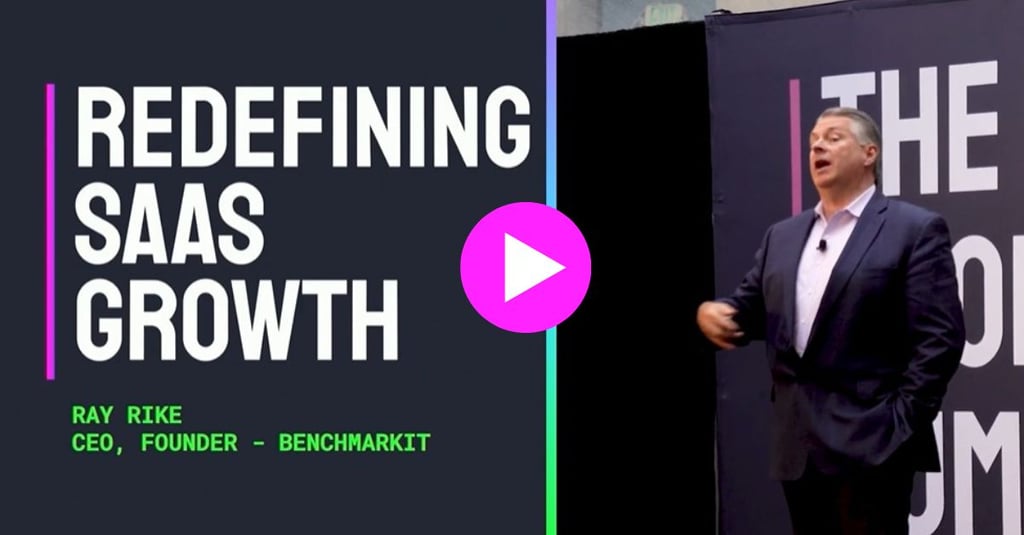
The new SaaS metrics in a usage-based pricing era
In this session, Ray Rike, CEO of Benchmarkit, explores the evolving landscape of SaaS metrics as companies shift from traditional subscription-based models to usage-based pricing.
Speak with an Expert
Turn Your SaaS Pricing Strategy Into Revenue
Speak with a LogiSense expert to explore how flexible monetization and billing solutions can support your evolving SaaS pricing strategy.
FAQ
What makes an effective SaaS pricing strategy?
How can SaaS companies reduce pricing complexity?
SaaS companies can reduce pricing complexity by consolidating unnecessary product variations, simplifying pricing tiers, standardizing terminology, and ensuring that customers can easily understand what is included in each package. Regular reviews of product packaging and customer feedback can also help identify opportunities for simplification.
What are the challenges of usage-based pricing for SaaS companies?
Usage-based pricing introduces challenges related to consumption measurement, revenue predictability, customer cost visibility, and billing accuracy. Businesses must select appropriate usage metrics and ensure their monetization systems can support variable consumption, tiered pricing, and customer-specific commercial agreements.
How does AI affect SaaS pricing strategies?
AI introduces new pricing considerations because the cost of delivering AI-powered services can vary with consumption, computational requirements, and infrastructure usage. Software companies must evaluate whether subscription, consumption-based, hybrid, or outcome-based pricing models best reflect customer value while protecting profitability.
Why should SaaS companies regularly review their pricing models?
Customer expectations, competitive conditions, product capabilities, and delivery costs change over time. Regular pricing reviews help businesses identify outdated packages, reassess customer value, manage costs, and explore opportunities for more effective monetization.