
A SaaS pricing tech stack is the collection of technologies used to manage pricing strategies, product packaging, usage measurement, billing, and revenue operations. It may include pricing analytics tools, subscription management systems, usage-based billing solutions, CRM software, and financial reporting applications. An effective pricing tech stack helps SaaS companies introduce new pricing models while maintaining accuracy, flexibility, and operational efficiency.
webinar
How To Modernize Your SaaS Pricing Tech Stack
Build a More Flexible SaaS Pricing Strategy for Sustainable Growth
As SaaS companies introduce AI capabilities, expand their product offerings, and respond to changing customer expectations, traditional subscription pricing models are being challenged.
Modern SaaS pricing requires more than choosing between subscriptions and usage-based pricing. It demands a flexible technology stack that supports evolving pricing models, connects pricing to customer value, and enables businesses to scale without introducing unnecessary operational complexity.
In this conversation, Tim Neil of LogiSense joins Rob Litterst, Co-Founder of PricingSaaS, to discuss how SaaS companies can modernize their pricing strategies, navigate the shift toward usage-based monetization, and build a more adaptable pricing infrastructure.
Watch the conversation to explore the technologies, strategies, and commercial considerations shaping the future of SaaS pricing.
What You'll Learn
- The evolution of SaaS pricing models: Why businesses are moving beyond traditional seat-based subscriptions toward usage-based and hybrid pricing models.
- How to modernize your SaaS pricing strategy: Understand how customer segmentation, packaging, and pricing metrics contribute to sustainable revenue growth.
- The role of AI in SaaS monetization: Explore how emerging AI capabilities are creating new considerations for pricing, consumption measurement, and value-based monetization.
- Challenges of implementing usage-based pricing: Learn why transitioning to consumption-based models requires coordination across Product, Finance, and technology teams.
- Building a scalable pricing tech stack: Discover the importance of flexible pricing and billing infrastructure that can adapt to changing business requirements.
Continue learning
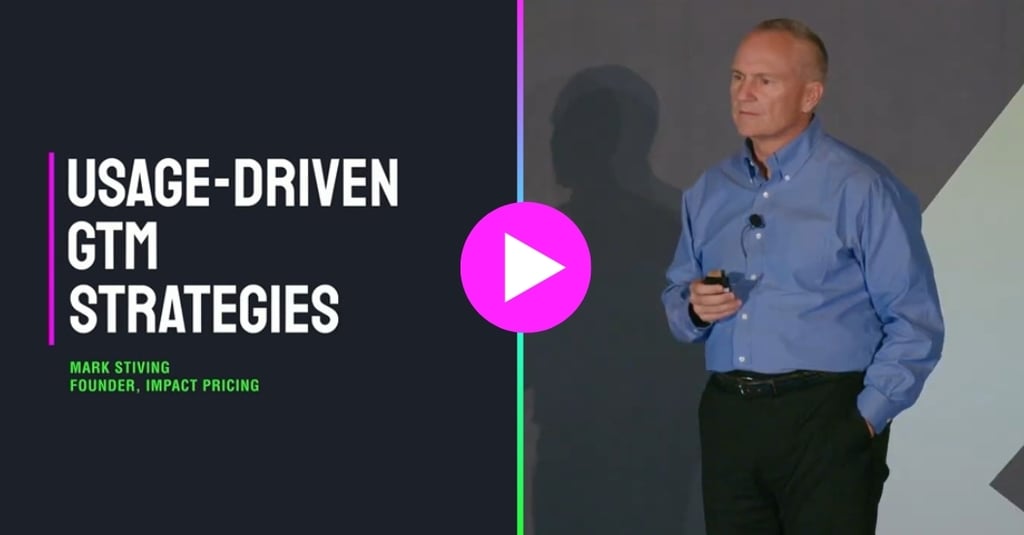
Usage Economy Summit
GTM Strategies for Usage-Driven Revenue
In this session, pricing expert Mark Stiving breaks down how leading organizations design go-to-market motions that not only land deals, but also retain and grow them.
Speak with an Expert
Modernize Your SaaS Monetization Strategy
Speak with a LogiSense expert to discover how flexible usage-based and hybrid billing can help your organization operationalize new pricing models, automate complex billing processes, and scale monetization without unnecessary complexity.
FAQ
What is a SaaS pricing tech stack?
How can SaaS companies modernize their pricing strategies?
SaaS companies can modernize their pricing strategies by evaluating customer segments, identifying value-based pricing metrics, analyzing product consumption, and introducing flexible pricing models. This may involve moving beyond traditional per-seat subscriptions toward usage-based, tiered, or hybrid pricing. Supporting these changes with scalable billing infrastructure helps businesses adapt their pricing without creating additional operational complexity.
What is the difference between subscription pricing and usage-based pricing?
Subscription pricing typically charges customers a recurring fee for access to a product or service, often based on users, features, or subscription tiers. Usage-based pricing charges customers according to measured consumption, such as API requests, transactions, storage, or processing activity. Hybrid pricing combines recurring subscription fees with variable usage charges, providing a balance between revenue predictability and consumption-based flexibility.
What should companies consider when choosing SaaS pricing software?
Companies should evaluate whether SaaS pricing software supports their current and future pricing models, integrates with existing business systems, and scales with transaction volumes. Important considerations include usage tracking, flexible rating capabilities, contract-specific pricing, billing automation, reporting, and support for subscription and hybrid models. The right solution should enable pricing innovation without increasing operational complexity.