
Revenue leakage occurs when a business fails to capture, bill, or collect revenue it is entitled to receive. Common causes include billing inaccuracies, unbilled usage, incorrect discounts, contract mismanagement, and operational inefficiencies. In a broader revenue assurance context, customer churn and unnecessary costs can also negatively affect profitability.
webinar
How to Quantify the True Cost of Revenue Leakage
Discover the true cost of revenue leakage
Revenue leakage can quietly erode profitability through billing errors, unbilled usage, expired discounts, operational inefficiencies, and customer churn. For subscription and usage-based businesses, identifying these losses is essential to protecting revenue and improving financial performance.
In this expert interview, Tim Neil of LogiSense speaks with Ravin Checker, Founder and CEO of xfactrs, about the hidden causes of revenue leakage, how to measure its financial impact, and the steps organizations can take to prevent revenue loss across the entire quote-to-cash lifecycle.
What You'll Learn
- What causes revenue leakage: Understand how missed charges, inaccurate billing, expired promotions, and inefficient processes contribute to revenue loss.
- How to identify revenue leakage: Explore warning signs such as rising customer churn, billing disputes, unexplained margin changes, and increasing Days Sales Outstanding (DSO).
- How to quantify the financial impact: Learn why the true cost extends beyond lost transactions to include customer retention, operational expenses, and profitability.
- How to prevent revenue leakage: Discover how stronger processes, organizational accountability, and automated revenue assurance can help identify and resolve discrepancies.
- How to recover lost revenue: Understand why revenue recovery strategies must balance financial objectives with customer satisfaction.
Watch the interview to learn how proactive revenue leakage detection can help your business protect profitability and improve revenue performance.
Continue learning
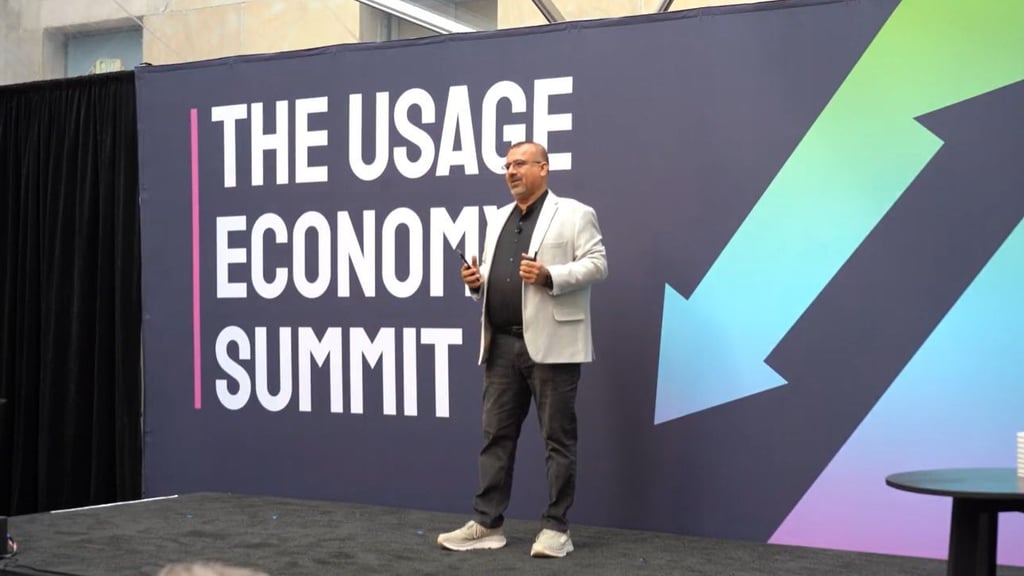
Usage Economy Summit
Uncovering revenue leakage in the usage economy
In this insightful session, Ravin Checker, CEO of xfactrs will explore the critical issue of revenue leakage within usage-based pricing models.
Speak with an Expert
Stop Revenue Leakage Before It Impacts Profitability
Speak with a LogiSense expert to discover how you can reduce revenue leakage and protect profitability.
FAQ
What is revenue leakage?
How do you calculate the cost of revenue leakage?
The direct cost of revenue leakage can be calculated by identifying the difference between revenue that should have been billed or collected and the amount actually received. Businesses should also assess related expenses, including billing corrections, customer support costs, and potential revenue lost through customer churn.
What are the most common causes of revenue leakage?
Common causes include inaccurate usage tracking, missed billing events, expired promotions that remain active, incorrect pricing configurations, manual processing errors, and discrepancies between billing and payment systems. These issues are particularly challenging for businesses managing complex subscription and usage-based pricing models.
How can businesses prevent revenue leakage?
Businesses can reduce revenue leakage by automating billing processes, reconciling usage data with invoices, monitoring financial and operational KPIs, and establishing controls across the quote-to-cash lifecycle. Continuous revenue assurance helps identify discrepancies early and supports timely resolution.